Loading blog post…
Loading…


Drop your name and a mobile number — an MGC sales advisor will reach out to schedule a test drive.
Animation that serves no communicative purpose degrades user experience — the principles of meaningful motion design that ensure every animation communicates something static design cannot.
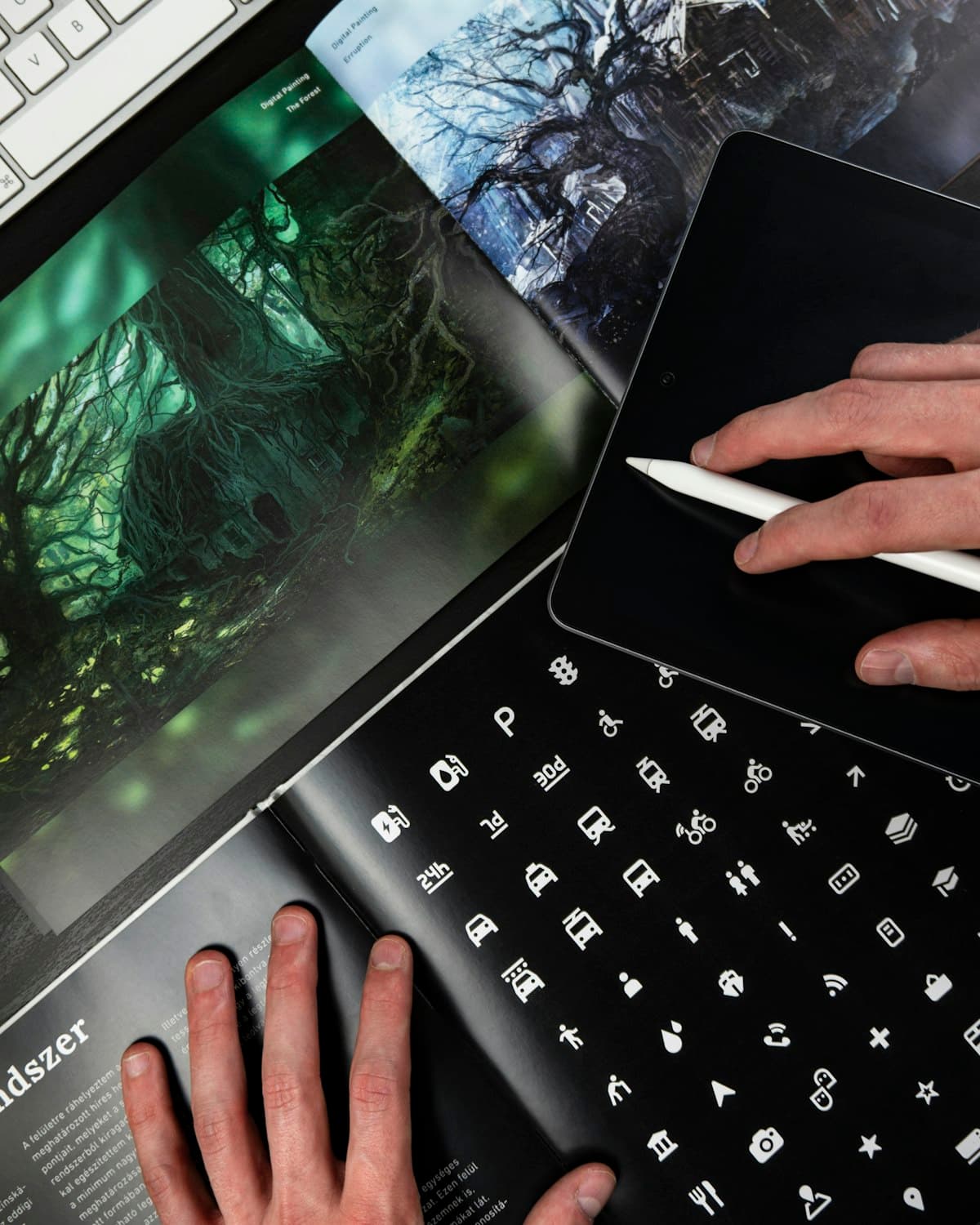
Motion design has evolved from decorative flourish to functional communication system in sophisticated digital products. Animation that serves no communicative purpose is not just aesthetically neutral — it actively degrades user experience by increasing cognitive load and delaying task completion. The discipline of meaningful motion design is the practice of ensuring that every animation in a product exists because it communicates something that static design cannot.
The seminal Google Material Motion system, released in 2014 and significantly refined since, established a vocabulary for purposeful animation that has influenced the entire industry: physics-based motion that models real-world behavior, easing curves that reflect natural acceleration and deceleration, and transition choreography that maintains spatial relationships during state changes. While Material Motion is not the only valid approach, its principles — continuity, response, transformation — apply broadly across design systems.
Thai app design has developed a distinctive aesthetic that incorporates animation more expressively than the restrained European minimalist tradition that dominates Western design discourse. Thai consumer apps — particularly in the fintech, retail, and entertainment categories — use animation to communicate brand personality, celebrate user achievements, and create emotional connection with the application. The risk in this more expressive approach is the accumulation of animations that compete for attention rather than directing it.
Motion design must be implemented within performance constraints that vary significantly across the device landscape used by Thai app users. Animations that perform smoothly on flagship devices may create janky experiences on the mid-range Android devices that represent the majority of the Thai smartphone installed base. Testing animation performance across the actual device distribution of your user base — not just on developer devices — is essential for motion design that delivers its intended experience to all users.